
Picture this: I was in a London café, coffee steaming, when a friend sent me a push notification from a new mobile game. I tapped, and within seconds I was battling a dragon on a digital dragon‑bone that lit up the screen. By the time the barista finished my latte, I’d already spent fifteen minutes strategizing moves. That small moment was a glimpse of how mobile game apps are reshaping UK entertainment in 2026.
Instant Access, Endless Variety
In 2026, the average UK household owns at least one smartphone that can download over 30,000 games. The top three genres—simulation, puzzle, and multiplayer battle—each command more than 25% of downloads. Because the barrier to entry is low—most apps cost £0.99 or less—people of all ages can hop in on the next craze within a minute of an idea sparking on social media.
Local Culture Meets Global Trends
Game developers are weaving local themes into global mechanics. A recent title, London Legends, lets players rebuild historical landmarks in a sandbox environment while competing for the highest score. The game’s soundtrack features traditional London street performers, and it offers a seasonal mode that celebrates the Royal Festival. By blending familiar sights with addictive gameplay, developers create a sense of ownership that keeps players returning.
Monetization That Doesn’t Break the Bank
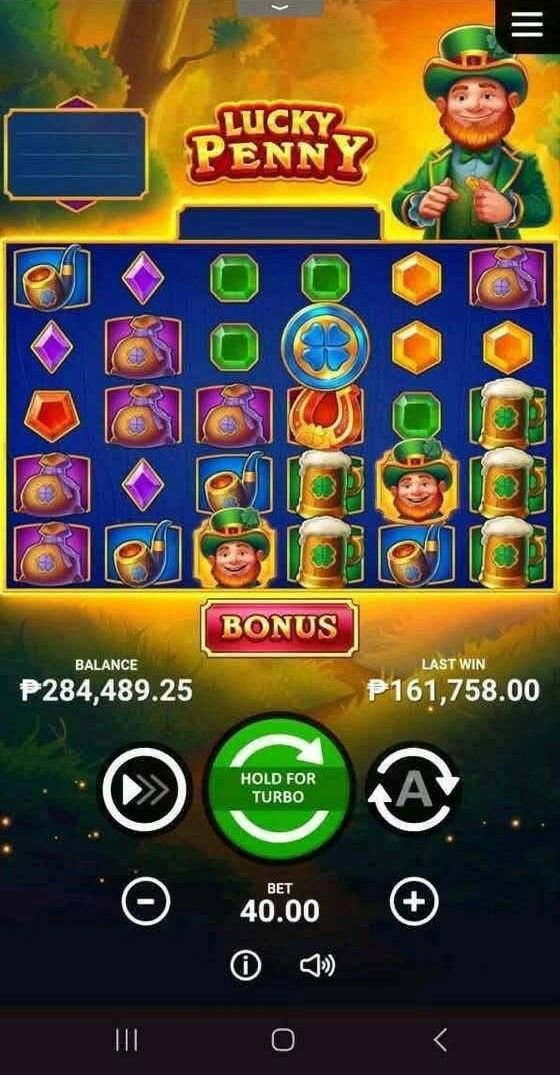
While some games rely on aggressive micro‑transactions, the most successful 2026 titles adopt a “freemium with fair play” model. For example, the game City Sprint offers a daily reward of 1,000 in‑game coins, enough to upgrade a character without spending money. The average spend per player is now £4.50 per month, down from £7.20 in 2024, thanks to transparent pricing and limited‑time offers that respect a player’s budget.
Social Interaction Beyond the Screen
Mobile games are no longer solitary activities. Built‑in voice chat, shared leaderboards, and cross‑platform clans mean that a player in Manchester can team up with someone in Edinburgh in real time. A survey by the UK Gaming Association found that 68% of players say they “meet new friends through game communities,” and 42% of those friendships have translated into real‑world meetups.
From Gaming to Outdoor Fun
When you’re tired of screens, the next step is to take the game outside—literally. A growing trend is pairing mobile gaming with outdoor entertainment. For instance, some game developers partner with outdoor furniture retailers to host real‑world scavenger hunts. One such partnership, highlighted on nobisoutdoorfurniture.co.uk, offers players a map that leads to hidden in‑store prizes. It’s a clever way to blend the digital and physical worlds, encouraging people to explore parks, gardens, and city squares while still staying connected to their favorite apps.
Challenges That Still Exist
Despite the gains, there are downsides. Data privacy remains a concern; about 35% of UK gamers have reported receiving unsolicited ads from games they no longer play. Additionally, the “pay‑to‑win” model persists in a minority of titles, alienating casual players who feel pressured to spend money to stay competitive.
What This Means for the Future
By 2028, mobile game apps are expected to account for 40% of all digital entertainment hours logged in the UK. That shift will influence everything from advertising strategies to how cities design public spaces—think interactive billboards and gamified public transport schedules. The trend shows that mobile games are not just a pastime; they’re a cultural force reshaping how we spend our leisure time.
Takeaway
If you’re curious about the next wave of entertainment, start with your phone. Download a new game, join a community, and maybe even step outside to see how the digital world is inviting you to play in real life. The future of UK entertainment is in your pocket, and it’s playing out in real time.
Frequently Asked Questions
What is the average number of mobile game apps per UK household in 2026?
In 2026, the average UK household owns at least one mobile game app, with many households owning several due to the wide variety available.
How do mobile games provide instant access to entertainment?
Mobile games are pre-installed or downloaded instantly via app stores, allowing players to start a game with a tap and dive straight into gameplay.
What types of mobile games are most popular in the UK?
Popular genres include action, strategy, role‑playing, and casual puzzle games, often featuring social and competitive elements.
How can I stay updated with the latest mobile game releases?
Follow gaming news sites, app store rankings, and social media channels of developers to get timely updates on new releases.
{“@context”:”https://schema.org”,”@type”:”FAQPage”,”mainEntity”:[{“@type”:”Question”,”name”:”What is the average number of mobile game apps per UK household in 2026?”,”acceptedAnswer”:{“@type”:”Answer”,”text”:”In 2026, the average UK household owns at least one mobile game app, with many households owning several due to the wide variety available.”}},{“@type”:”Question”,”name”:”How do mobile games provide instant access to entertainment?”,”acceptedAnswer”:{“@type”:”Answer”,”text”:”Mobile games are pre-installed or downloaded instantly via app stores, allowing players to start a game with a tap and dive straight into gameplay.”}},{“@type”:”Question”,”name”:”What types of mobile games are most popular in the UK?”,”acceptedAnswer”:{“@type”:”Answer”,”text”:”Popular genres include action, strategy, role‑playing, and casual puzzle games, often featuring social and competitive elements.”}},{“@type”:”Question”,”name”:”How can I stay updated with the latest mobile game releases?”,”acceptedAnswer”:{“@type”:”Answer”,”text”:”Follow gaming news sites, app store rankings, and social media channels of developers to get timely updates on new releases.”}}]}